Billers across industries, from mortgage servicing to credit cards, utilities, and insurance, are actively modernizing their bill pay infrastructure. The goal is clear: reduce costs, improve customer experience, and get paid on time.
In practice, modernization means building experiences that deliver near-real-time confirmation and posting visibility, fewer exceptions with faster resolution, omnichannel (wallet-ready) experiences, and payments choice (debit, wallet, and where applicable, real-time payments).
But modernization is no longer just about putting legacy processes online. It’s about redesigning bill pay for speed, certainty, and choice, so payments post predictably, exceptions shrink, and customers don’t have to wonder whether a payment “counted.”
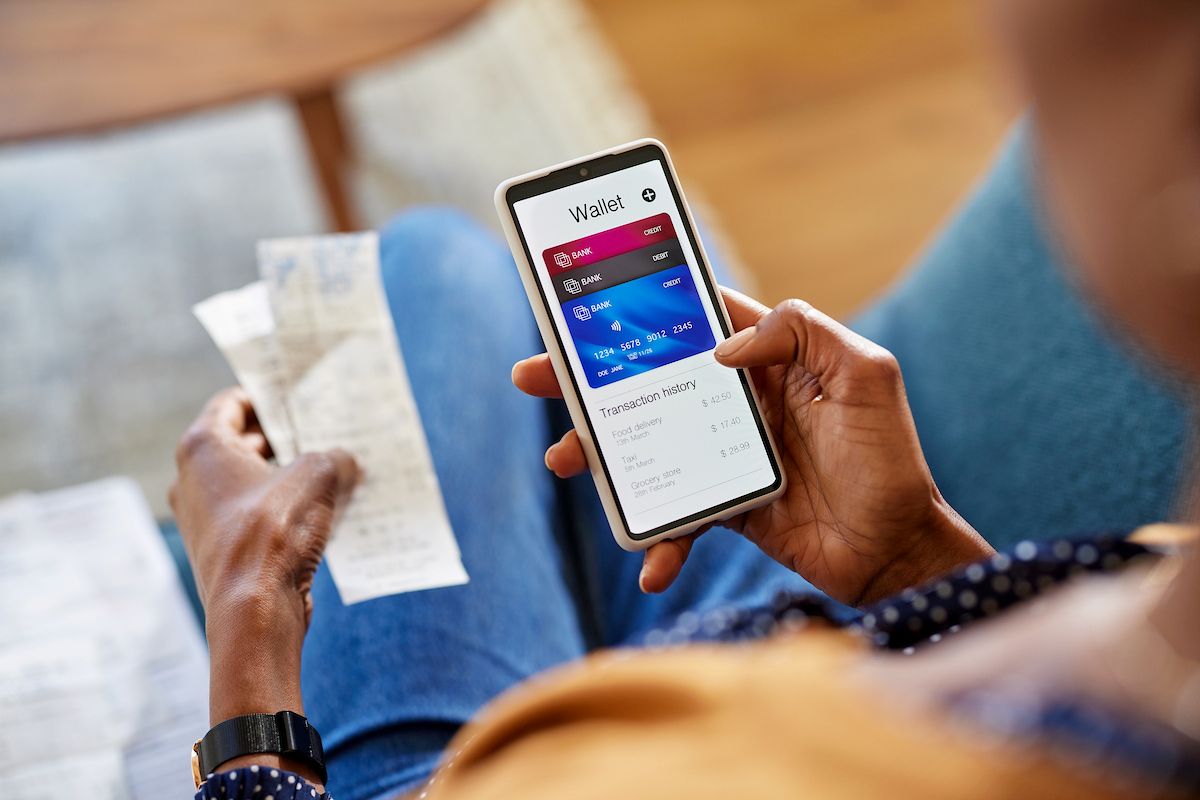
That means meeting consumers where they already manage money today: on their phones, inside digital wallets, and through payment methods that provide confidence and control at the moment they pay. It also means building resiliency into the experience so billers can deliver consistent outcomes even when rails, networks, or downstream posting processes introduce friction, an urgency echoed in the ACI Speedpay 2026 Biller Impact Study.

Access the full survey insights and industry benchmarks.
From lowest fee to lowest cost to collect
For years, billers have optimized for the lowest transaction fee. ACH remains an efficient and trusted rail, and it continues to play an important role in bill pay today. But consumer behavior, and consumer pressure, are changing what “cost-effective” really means.
As budgets tighten, consumers are increasingly turning to digital wallets and mobile payment experiences not just for speed, but for control, visibility, and certainty. PYMNTS Intelligence found that Gen Z digital wallet usage climbed 21% as financial pressure increased, reinforcing the role wallets now play in helping consumers manage money more intentionally, not just spend it faster.
And importantly, digital wallets often ride on debit credentials, training consumers to expect an immediate “yes/no” at checkout and that same instant confirmation when they pay a bill.
The cheapest payment isn’t the one with the lowest transaction fee; it’s the one that actually gets billers paid.
In ACH-first bill pay models, payment intent is often captured immediately, but payment truth (settlement confirmation, posting, and the risk of returns) can still unfold over time, varying by bank, network rules, and biller processes, even with same-day ACH. During that gap, billers absorb operational friction, exceptions, reversals, customer follow-ups, and additional servicing costs that are rarely accounted for when cost is measured strictly at the rail level.
Debit changes this equation. Debit creates truth at the moment of payment; authorization and funds availability are confirmed instantly, even though dispute windows differ—at the same moment the customer believes they have paid. That immediacy reduces uncertainty, improves posting confidence, and lowers the true cost to collect. And according to the Federal Reserve report, Diary/Survey of Consumer Payment Choice, debit is consistently one of the top non-cash payment instruments used by US consumers.
That “truth moment” matters because it compresses the time between customer action and biller certainty. When funds are confirmed upfront, billers can reduce costly rework (re-presentments, reversals, and manual exception handling), prevent unnecessary inbound calls (“Did it go through?”), and improve cash application confidence, especially in high-volume environments where even small failure rates create outsized operational load.
Those costs add up quickly. CloudTalk’s Inbound Call Center Pricing (2025) estimates inbound call-center support at roughly $25–$50 per hour—making every avoidable “Where’s my payment?” call measurable cost-to-collect overhead. And it’s largely preventable: when billers design for clear, real-time payment truth, customers don’t have to call for reassurance.
Consumers are increasingly signaling that speed and confirmation aren’t “nice-to-haves.” The Federal Reserve’s Consumer Payments Study (2024) reports that more than three-quarters of consumers prefer faster payment options, reinforcing a broader expectation that payments should be immediate, visible, and reliable.
This isn’t about replacing ACH. It’s about recognizing that certainty has economic value, especially for high-value, high-stress payments such as mortgages, utilities, and credit cards. The most effective bill pay strategies will keep ACH where it fits best, while complementing it with debit-forward, mobile-ready options that convert payment intent into confirmed outcomes, faster.
Modern bill pay: Where consumer expectations meet biller reality
Consumer research reinforces why this shift matters now. Datos Insights reports that 77% of online bill payments occur directly on biller digital channels, with younger generations strongly favoring mobile-first and debit-based payment experiences.
At the same time, doxoINSIGHTS reports that US households now spend nearly one-third of their income on bills, making reliability, trust, and immediacy essential components of the payments experience. When payments fail or are reversed days later, the cost isn’t just operational; it’s emotional and reputational.
It’s impossible to deliver a truly modern bill pay experience if payment options don’t reflect how customers already pay everywhere else. Modernization requires expanding choice, especially debit-forward, mobile-ready options that align with today’s consumer behavior and improve the economics of getting paid.
That same expectation for certainty is now shaping biller priorities. The ACI Speedpay 2026 Biller Impact Study underscores that payments resiliency is becoming foundational to trust in digital bill pay.
- Bill pay is now strategic: 80% of bill pay organizations say bill pay solutions are critical to achieving business priorities.
- Confidence is low: only 26% believe their current bill pay systems can meet future needs, highlighting a widening gap between expectations and legacy capability.
- Modernization is imminent: 76% plan to evaluate new bill pay solutions in the next 12–24 months, with improved payments resiliency the top motivator for switching.
- Immediacy is becoming table stakes: while only 42% currently offer an urgent/immediate pay option, 82% of those that don’t offer it plan to add one, reflecting rising demand for certainty and faster outcomes.
Modern bill pay is about outcomes, not just rails
The next phase of bill pay modernization won’t be defined by which rail is cheapest on paper. It will be defined by which payment strategies deliver certainty, reduce friction, and get billers paid, consistently and confidently.
For ACH-first billers, the opportunity is not to replace what works, but to evolve the model. The path forward is clear: pair ACH with debit-forward and wallet-ready options, design for resiliency and exception handling, and make payments status transparent so customers get truth at the moment of payment.
Because in bill pay, certainty isn’t just a better experience; it’s faster cash flow, fewer service costs, and trust you don’t have to win back. Modern bill pay is designed so customers can pay with confidence and never miss a payment.
Related content

Never miss a payment
The next era of bill pay: Meeting customers where they are—and where they are going.
ACI Speedpay Biller Impact Study: A new era in bill pay has arrived
Discover the strategies and innovations shaping the next era of bill payment

The case for lenders to accept debit card payments
There is a strong, growing consumer preference for using debit cards with bill payments, especially among younger generations

Why modern bill pay requires more than the lowest-cost rail
Billers across industries, from mortgage servicing to credit cards, utilities, and insurance, are actively modernizing their bill pay infrastructure.

The modern debit card: The engine behind seamless payments
Cards continue to play a central role in bill pay and recurring payments, giving customers a familiar, trusted way to complete transactions across channels.

Darcy is SVP of Sales at ACI Speedpay and a trusted advisor to financial services and payments leaders. She’s known for practical innovation, building high-performing teams, and delivering business-defining outcomes for enterprise clients. With 20+ years in bill pay and payments, Darcy partners with leading consumer lenders to modernize the bill pay experience and improve adoption and engagement. She is a recipient of the AFSA Distinguished Service Award and is recognized for mentoring talent and helping shape the industry.