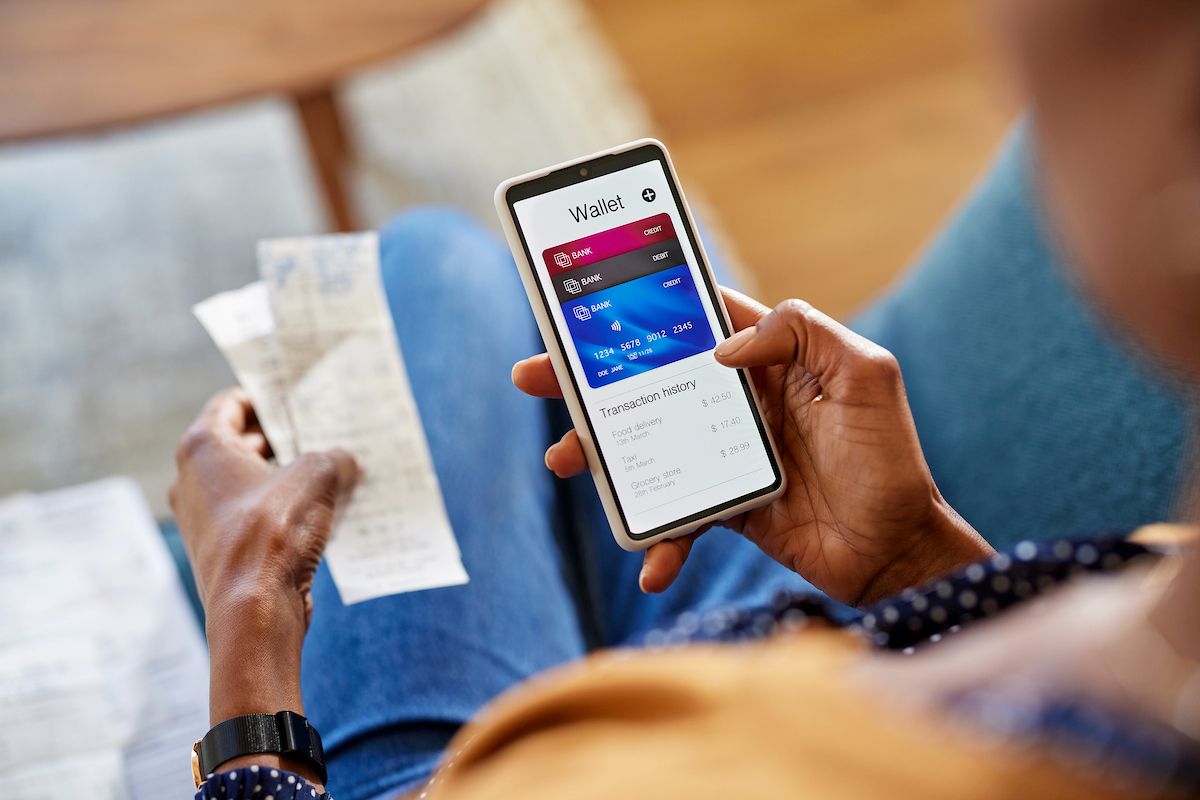
Rising debit adoption is changing the bill-pay conversation, putting greater focus on certainty, timing, and trust, not simply channel choice.
In almost every bill-pay strategy conversation I have with billers right now, the first question is about channel: Should we move more customers to the website, invest more in the app, or make wallets a bigger part of the experience?

Those are fair questions. The bigger question may be what’s driving consumer payment decisions in the first place. Before we focus on where a payment happens, we need to understand what consumers are trying to manage: timing, cash flow, confidence, and risk.
A biller recently shared something that really gets at this. Customers enrolled in autopay were still calling service teams before their due dates to confirm exactly when their payment would be processed to avoid any surprises. On paper, they looked digitally engaged. In practice, they still wanted reassurance.
That is the piece that gets lost when we talk only about channel modernization. Consumers are not just looking for another digital option. According to the 2026 ACI Speedpay Pulse Report, two in three Americans are living paycheck to paycheck, and nearly half of Gen Z and Millennials couldn’t cover a $1,000 emergency expense. When money is tight, timing and control matter.
That is why debit deserves more attention in the bill-pay conversation. Three separate studies, the 2026 ACI Speedpay Pulse Report, the 2026 ACI/YouGov Debit Consumer Trend Report, and the Datos Insights’ report How Americans Pay Their Bills, all point in the same direction: Debit is becoming a preferred way for consumers to pay bills because it offers a practical combination of immediacy, visibility, and confidence. The conversation is shifting from how many ways consumers can pay to what those payment choices mean to them. Each method brings different consumer expectations, risk considerations, and service implications. The opportunity for billers is to look beyond which channel to promote next and ask: Which payment experience reduces friction, builds trust, and gives consumers greater confidence and control over how and when they pay?
Debit isn’t a fallback anymore
The data shows just how much debit has grown.
The 2026 ACI Speedpay Pulse Report shows debit usage for bill payments reaching a study high of 52.7% in 2025, up from 42.1% in 2020. Datos Insights shows the same shift from a different angle: Debit card usage has grown from 11% of all US bill payments in 2010 to 29% in 2026, while checks fell from 37% to 7% over the same period.
The two studies measure different things, consumer adoption versus share of payments volume, but the direction is consistent. Debit has moved from a secondary method to an everyday bill-pay behavior that deserves a more deliberate place in biller strategy. For billers, this is not simply a shift in payments preference. It is evidence that consumers are actively choosing the payment method that gives them the clearest view of their financial position. Payments certainty now matters as much as payments convenience.
And younger consumers are helping drive that shift. As David Albertazzi, the Datos Insights analyst who authored How Americans Pay Their Bills, put it: “Debit card usage nearly tripled in 16 years, rising from 11% to 29% of all bills.”
Why debit, and why now?
For consumers managing tighter household budgets, debit offers a combination of control and certainty without adding revolving debt:
- Certainty: The payment is typically reflected quickly against available funds, giving consumers clearer confirmation that it went through.
- Control: Consumers can better align payment timing with available funds and the realities of household cash flow.
- Restraint: Routine bills can be paid without adding revolving debt.
The 2026 ACI/YouGov Debit Consumer Trend Report reinforces that value: 54% of debit bill-pay users agree their debit card is “key to helping me better manage my financial life,” rising to 63% among Gen Z. Among lower-income households, 42% trust debit most to avoid a late payment, compared with 21% of higher-income households. In my conversations with clients, the cost of uncertainty often appears first in the contact center, when a customer who has already paid still needs reassurance that the transaction will happen as expected.
Why debit, and why now?
Debit can be an important guardrail, but it can’t fix a due date that falls before payday or solve financial hardship on its own.

That distinction matters. A payment failure, financial hardship, and a timing mismatch are not necessarily the same problem. If a customer can pay, but the due date doesn’t align with when funds are available, greater flexibility may make a meaningful difference.
That’s why debit works best as part of a broader payments experience that includes reminders, scheduling controls, and flexible due dates. The demand is already visible in the 2026 ACI Speedpay Pulse Report: 57.7% of consumers would use flexible due dates, 36.5% want payment reminders tied to autopay, and 30.4% want the ability to pause payments during hardship. This is where the earlier autopay example becomes especially revealing. A customer calling to confirm an upcoming payment isn’t necessarily rejecting digital bill pay. They’re already using it. What they’re looking for is confidence around when the payment will happen, how much will be paid, and confirmation that it went through as expected.
Takeaway for billers
Consumers are telling us what they value: more control, greater flexibility, and confidence that their payment will happen as expected. Debit is one part of that experience. For billers, the opportunity is to reduce preventable payment failures and unnecessary service calls while giving customers more confidence and control, particularly when money is tight.
There’s a business case for that approach as well. Internal Visa analysis provided to ACI in 2025 found that the average labor cost of processing a failed ACH payment was $6, compared with $0.10 for a debit decline, and that debit users saw up to a 20% reduction in delinquencies. While this internal analysis is not publicly available and results will vary by biller and operating model, it points to a broader consideration. Comparing debit with ACH on interchange alone tells only part of the story. Billers should also consider the operational cost of payment failures, service calls, and collections activity, along with the customer experience and the likelihood that a payment is completed successfully.
The strategic opportunity is not simply to add debit as another payments option. It is to make debit part of an experience built around control and certainty, so consumers know when a payment will be processed, whether it was successfully authorized, and when it has posted. For billers, delivering that confidence can help reduce avoidable friction while supporting more successful payment outcomes, especially when every dollar and every due date matters.